

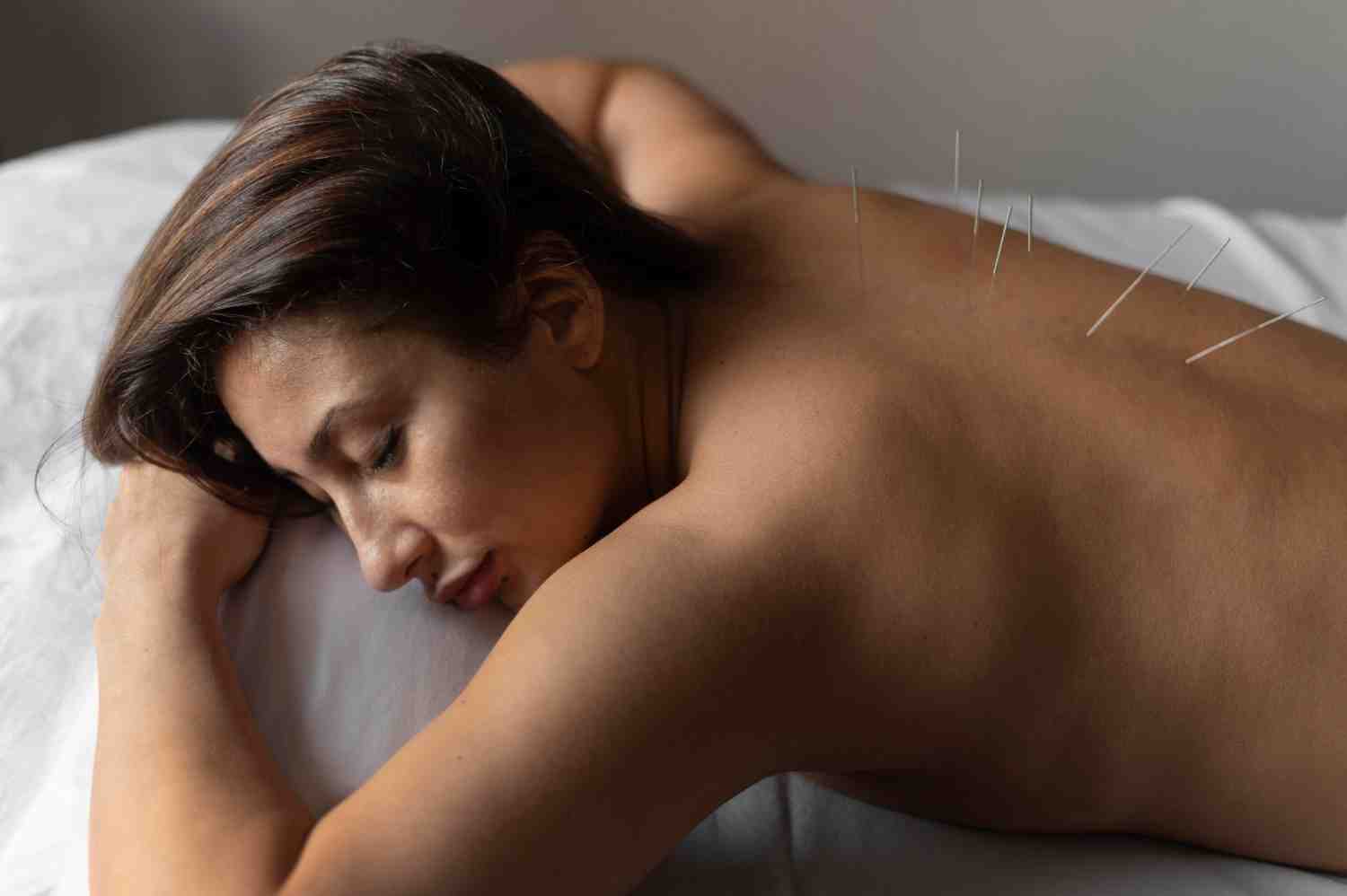
Acupuncture in Ottawa has seen a noticeable rise in popularity—not just as a complementary therapy, but as a respected method of treatment for a wide range of physical and mental health issues. At the intersection of ancient wisdom and modern science, it’s now also a recommended practice by many clinics offering physiotherapy in Ottawa for chronic pain, stress relief, and functional recovery.
But how does acupuncture really work? Why do so many patients swear by it? And is it backed by research—or simply placebo? This article explores all those questions and more in a student-friendly, evidence-based format.
Introduction: Ancient Technique, Modern Relevance
More than 2,000 years ago, acupuncture began as part of Traditional Chinese Medicine (TCM), a holistic approach to balance the body’s “Qi” (vital energy). Today, it’s a global therapeutic tool embraced by physiotherapists, physicians, and alternative health practitioners.
You may have heard a friend in Ottawa mention how a few sessions of acupuncture relieved their neck pain or improved their sleep. Others use it for anxiety, fertility, or even digestive disorders. While its roots are spiritual, modern acupuncture practice is firmly grounded in anatomy, neurology, and empirical outcomes.
How Acupuncture Works: Traditional vs. Scientific View
In traditional Chinese medicine, acupuncture works by restoring the balance of energy flowing through channels in the body known as meridians. When this energy (Qi) is blocked, it leads to illness or pain. By inserting thin needles into specific acupoints, the energy flow is restored, promoting healing.
Modern scientific explanations offer a different perspective. Research shows that acupuncture stimulates:
- Nerve endings and connective tissues which trigger the release of endorphins, our natural painkillers
- The hypothalamus-pituitary-adrenal axis, which helps regulate stress and inflammation
- Blood flow and oxygenation in targeted areas, enhancing tissue repair
- The autonomic nervous system, which can calm the body and support relaxation
Brain imaging studies have shown real-time changes in brain activity during acupuncture, particularly in areas related to pain perception, mood regulation, and sleep.
Common Uses of Acupuncture
Acupuncture is now widely used in both clinical and physiotherapy settings. It is recommended by institutions like the National Institutes of Health (NIH) and World Health Organization (WHO) for more than 100 conditions.
Some common uses include:
- Chronic pain: Back pain, neck pain, osteoarthritis, sciatica, and headaches
- Post-injury rehabilitation: Enhances healing and reduces inflammation after sports or orthopedic injuries
- Stress and anxiety disorders: Regulates cortisol and improves emotional balance
- Insomnia and sleep disturbances: Stimulates melatonin production
- Digestive issues: Helps relieve nausea, irritable bowel syndrome, and gastritis
- Women’s health: Treats menstrual cramps, PCOS symptoms, and aids fertility treatments
In Ottawa, many clinics are combining acupuncture with physiotherapy protocols to address complex issues like fibromyalgia, TMJ dysfunction, and migraine.
Proven Benefits: What the Research Says
Acupuncture has moved from alternative to evidence-based practice, thanks to rigorous studies and meta-analyses.
- A 2021 study published in the journal Pain analyzed over 20,000 patients and confirmed that acupuncture significantly outperformed placebo treatments for conditions like chronic musculoskeletal pain and tension headaches.
- The BMJ (British Medical Journal) reported in 2020 that acupuncture is effective for chronic primary pain, leading to improved quality of life and reduced opioid reliance.
- Harvard Medical School found that acupuncture improves vagal tone, which is linked to better heart rate variability and reduced stress response.
Moreover, a growing number of trusted physiotherapy clinics in Ottawa are integrating acupuncture into multi-modal treatment plans, supported by Canadian practice guidelines.
Benefits Beyond Pain Relief
While pain relief is the most widely known benefit, acupuncture supports overall wellness.
- Improved mental clarity and focus
- Enhanced immune response, especially in cold and flu seasons
- Better digestive regulation and appetite balance
- Increased energy and reduced fatigue
- Support in cancer care, helping reduce nausea, anxiety, and chemotherapy side effects
Many patients report a “reset feeling” after a session—like their nervous system has been rebalanced. This makes acupuncture a valuable adjunct to physical therapy, counseling, and lifestyle coaching.
Potential Risks and Precautions
Acupuncture is generally very safe when performed by a certified and trained professional. However, like any treatment, it carries some risks.
Possible side effects:
- Mild soreness or bruising at needle sites
- Temporary fatigue or dizziness after a session
- Rarely, infections (only when non-sterile needles are used)
- Needle fear or anxiety in sensitive individuals
It is not recommended for people with bleeding disorders, certain skin infections, or individuals with pacemakers (for electroacupuncture).
In Ottawa, make sure to choose a regulated and licensed practitioner—ideally one affiliated with physiotherapy or medical organizations.
What to Expect During an Acupuncture Session
A typical session lasts 30 to 60 minutes. After an initial consultation and health assessment, fine needles (hair-thin and sterile) are inserted into selected points. Most people feel little or no pain—only a mild tingling, warmth, or pressure.
Some sessions may include:
- Cupping or Gua Sha therapy
- Electroacupuncture, where a mild current is passed between needles
- Infrared heat therapy to enhance circulation
- Relaxation period, where you rest with needles in place for 20–30 minutes
You may need multiple sessions for chronic conditions, while acute pain might show results after 1–2 sessions.
Acupuncture in Ottawa: Local Access and Care
Ottawa is home to several integrative health clinics that specialize in acupuncture, often combined with physiotherapy, massage therapy, or chiropractic care. Whether you’re a student dealing with exam stress, an athlete recovering from injury, or someone managing chronic pain, acupuncture offers a safe and evidence-based alternative.
Physiocare Physiotherapy & Rehab Centre is one such provider that offers acupuncture as part of a complete rehabilitation approach. Their combination of traditional techniques with modern diagnostics ensures patients receive the best of both worlds.
Final Thoughts
Acupuncture stands as a bridge between ancient healing and modern science. For Ottawa residents seeking holistic, research-backed care, it offers powerful benefits—from pain relief to emotional wellness and beyond.
As more clinics adopt acupuncture alongside physiotherapy, Canadians now have access to safe, personalized, and regulated care that respects both tradition and evidence. Whether you’re skeptical or curious, the best way to understand acupuncture is to experience it—under the hands of a qualified professional.