

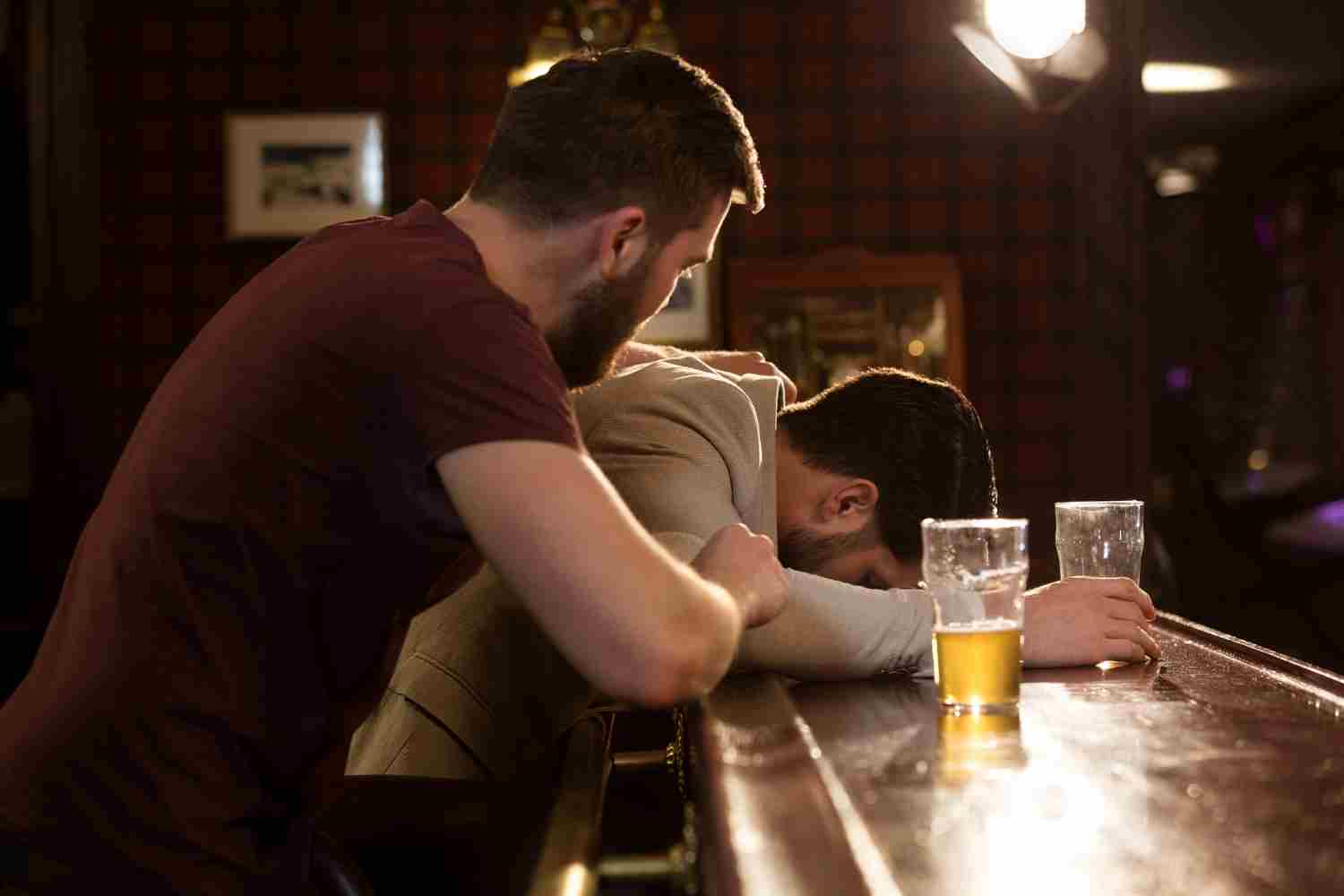
Maybe it started with a beer after a long shift, a glass of wine to quiet your mind at the end of the day, or a few drinks at a tailgate that turned into a habit. For a lot of people across Ohio, from the Cleveland lakefront to the neighborhoods around Canton and Massillon, alcohol begins as a way to unwind. Over time, though, something can shift. The drink that once helped you relax starts to leave you feeling more anxious, more tired, or more down than before.
If that sounds familiar, you are not alone, and you are not failing at anything. The relationship between alcohol and mental health is tangled, and it affects people from every background. This article walks through how the two influence each other, what the warning signs can look like, and how to find support that treats the whole person, not just the drinking.
Why the Relief Doesn’t Last
Alcohol is a depressant, meaning it slows down activity in your central nervous system. In the moment, that can feel like relief. Your shoulders drop, your thoughts slow, and the worries that were looping in your head seem quieter. That short-term effect is exactly why so many people reach for a drink when they are stressed, lonely, or overwhelmed.
The problem is what happens afterward. As alcohol leaves your body, your brain works to rebalance itself, and that rebound can show up as restlessness, irritability, racing thoughts, or a heavy low mood. Many people notice it the next morning as a vague dread, sometimes jokingly called “hangxiety.” When the discomfort returns, you may reach for another drink to feel better, and a cycle begins to form.
Sleep is part of this, too. Alcohol may help you fall asleep faster, but it tends to fragment your rest later in the night. Poor sleep makes anxiety and depression harder to manage, which makes you more likely to want something that helps you cope. Without anyone intending it, a pattern can take hold that quietly works against your mental well-being.
The Two-Way Street Between Drinking and Mental Health
Mental health professionals often describe the connection between substance use and mental health conditions as a two-way street. Struggling with anxiety, depression, trauma, or grief can make you more likely to use alcohol to cope. At the same time, regular heavy drinking can bring on or worsen symptoms of those same conditions.
This is why it can be hard to tell which came first. You might have felt anxious for years before drinking became a pattern. Or you might have noticed your mood sinking only after drinking increased. Either story is common, and neither one is a character flaw. What matters is recognizing that the two are connected, because that changes what effective help looks like.
Some situations that commonly sit alongside alcohol use include:
- Generalized anxiety or panic symptoms
- Depression, including seasonal low mood
- Post-traumatic stress, which is especially relevant for veterans and first responders
- Grief after the loss of a loved one, a job, or a relationship
- Chronic stress from caregiving, shift work, or financial pressure
If one or more of these describes your life right now, it makes sense that you have been looking for relief. The goal is to find relief that does not cost you more in the long run.
Ohio Pressures That Can Make It Harder
Where you live shapes the way stress and coping show up. Ohio has its own rhythms, and a few of them can make it easy for drinking to blend into everyday life without much notice.
Consider the long gray winters in Northeast Ohio. When the lake-effect snow rolls in and the sun barely appears for weeks, seasonal depression can creep up on you. Evenings feel longer and more isolating, and a drink on the couch can start to feel like the only thing that breaks up the stretch.
Social life matters too. Friday night football, Browns Sundays, Guardians games, Buckeyes tailgates, county fairs, and backyard cookouts are woven into the state’s culture. Most people can enjoy these traditions without trouble, but when alcohol is part of nearly every gathering, it can be hard to notice when your own drinking has moved from social to something you rely on. It can also feel awkward to say no, especially in tight-knit communities where everybody knows everybody.
Work plays a role as well. Ohio’s manufacturing, healthcare, trades, and service industries often come with demanding schedules, physical strain, and unpredictable hours. If you work nights or rotate shifts, your sleep and routines may already be stretched thin. And if you are a veteran living in Stark County, Cuyahoga County, or anywhere else in the state, you may be carrying experiences that are difficult to talk about with people who haven’t been there.
Naming these pressures is not about making excuses. It is about understanding your own context with kindness, so you can respond to it with the right kind of support.
Signs Alcohol May Be Affecting Your Mental Health
There is no single moment when drinking “becomes a problem,” and you do not have to hit some dramatic low point before you deserve help. Still, certain patterns are worth paying attention to. Ask yourself, gently and honestly:
- Do you drink to calm anxiety, quiet racing thoughts, or get through emotionally hard days?
- Have you noticed your mood getting worse in the days after you drink?
- Are you drinking more than you planned, or finding it hard to cut back when you try?
- Do you feel irritable, shaky, or on edge when you go without alcohol for a while?
- Have you pulled away from friends, family, hobbies, or responsibilities?
- Are you hiding how much you drink, or feeling shame about it?
- Has your sleep, energy, or focus at work noticeably declined?
Answering yes to a few of these does not define you or your future. It simply means that what you are doing to cope may no longer be working, and that support could make life feel lighter.
One safety note matters here. If you have been drinking heavily and regularly, stopping suddenly on your own can be dangerous. Alcohol withdrawal can cause serious symptoms, including seizures in some cases. Talk with a doctor or a treatment professional before making a major change, so you can do it safely.
Why Treating the Whole Picture Matters
When alcohol use and a mental health condition exist together, clinicians call it a co-occurring disorder or dual diagnosis. It is more common than many people realize, and it responds best when both concerns are treated at the same time.
If only the drinking is addressed, the underlying anxiety, depression, or trauma may still be there waiting. If only the mental health symptoms are treated, ongoing alcohol use can undermine progress, interfere with medications, and keep symptoms active. Integrated care brings the two together, so you are not forced to choose which struggle gets attention first.
In practice, integrated care might include:
- Cognitive behavioral therapy (CBT): helps you notice the thought patterns that fuel anxiety, low mood, and urges to drink, and gives you practical tools to respond differently.
- EMDR: a trauma-focused therapy that can help your brain process distressing memories so they lose some of their grip.
- Medication-assisted treatment: for some people, medications can reduce cravings or support stability during early recovery, under medical supervision.
- Holistic supports: activities like yoga, mindfulness, and art therapy can help you build healthier ways to regulate stress and reconnect with yourself.
- Peer and community support: shared experience reminds you that you are not the only one walking this road.
No single approach fits every person. A good treatment team will listen to your history, your goals, and your life circumstances before recommending a plan.
What Support Can Look Like
Reaching out can feel intimidating, partly because the options are not always clear. Treatment is not one-size-fits-all, and it is often described in levels of care that match the support you need at a given time.
Residential programs offer a structured, around-the-clock environment, which can be helpful if your home life makes it hard to stay safe or focused. Partial hospitalization programs (PHP) provide intensive daily treatment while you return home in the evenings. Intensive outpatient programs (IOP) typically meet several days a week, which can make room for work or family obligations. Standard outpatient care is less frequent and often serves as a step-down option or as ongoing maintenance. Aftercare and alumni support then help you stay connected once formal treatment winds down.
If you are exploring Ohio alcohol addiction treatment, it helps to ask whether a program can address co-occurring mental health conditions, whether it offers medical supervision during withdrawal, and whether it has experience with your specific situation, such as veteran services or an inclusive environment for LGBTQ+ individuals. It is also worth asking about insurance, privacy, and scheduling flexibility, since those practical details often determine whether care is realistic for you.
You can also start with your primary care provider or a licensed therapist in your area. Many people in Columbus, Cincinnati, Toledo, Akron, and smaller towns across the state begin there, and a clinician can help you decide what level of care makes sense.
If You’re Worried About Someone You Love
Sometimes the person struggling is a spouse, a parent, a sibling, or a friend. Watching someone you care about drink in ways that hurt them is painful, and you may feel torn between wanting to help and fearing you will push them away.
A few approaches tend to go further than confrontation:
- Choose a calm moment. Avoid raising the subject when they have been drinking or when emotions are running high.
- Lead with care, not accusation. Saying “I’ve noticed you seem exhausted and down lately, and I’m worried about you” opens more doors than listing their mistakes.
- Use respectful language. Describe your loved one as a person who is struggling with alcohol, not with labels that reduce them to a diagnosis. Words shape shame, and shame often keeps people from seeking help.
- Offer specific support. Offering to help find a provider or sit with them during a first appointment can make the next step feel doable.
- Look after yourself. Family members benefit from their own support, whether through counseling or a community group.
You cannot force someone into recovery, but your steady, compassionate presence can matter more than you know.
Small Steps You Can Take This Week
If the idea of changing everything feels like too much, start smaller. Recovery, like most meaningful change, tends to begin with one honest step.
- Track your drinking and your mood. For one week, jot down when you drink, how much, and how you feel the next day. Patterns often become clear on paper.
- Tell one trusted person. Saying it out loud to a friend, family member, or faith leader can lift some of the weight.
- Protect your sleep. A consistent bedtime, a cooler dark room, and limiting screens before bed can improve your mood more than you might expect.
- Get outside, even in winter. A short walk by the lake, around your neighborhood, or through a local MetroPark can help with energy and mood, especially during the darker months.
- Schedule an appointment. Book time with a doctor or therapist and be honest about both your mood and your drinking. You deserve care that sees the full picture.
You Deserve Support That Fits Your Life
Struggling with alcohol and your mental health at the same time does not mean you are weak, and it does not mean you are beyond help. It means you have been carrying a lot, and you found a way to get through that eventually stopped serving you. That is something people recover from every day, in every corner of Ohio.
If you are in crisis or having thoughts of harming yourself, call or text 988 to reach the Suicide & Crisis Lifeline at any hour. If you are looking for treatment referrals, the SAMHSA National Helpline at 1-800-662-4357 is free, confidential, and available around the clock.
Whatever your next step is, whether that is a conversation, an appointment, or simply reading one more article, you are already moving in a hopeful direction. Be patient with yourself. Better days are possible, and you do not have to find them alone.